Overall, the mission achieved its objectives by strengthening community ownership, improving understanding of the project’s goals, and building a strong institutional foundation for the effective implementation of subsequent activities, including Community Investment Planning (CIP).
FSRP Advisory Committee Meeting Strengthens Collaboration
The Advisory Committee of the FSRP project, which was attended by the joint committee members, discussed progress and fu...
Minister and Vice Minister of Agriculture Meet with the Project Coordination Unit of the World Bank–Supported Project in Somaliland.
Meeting Focus Areas
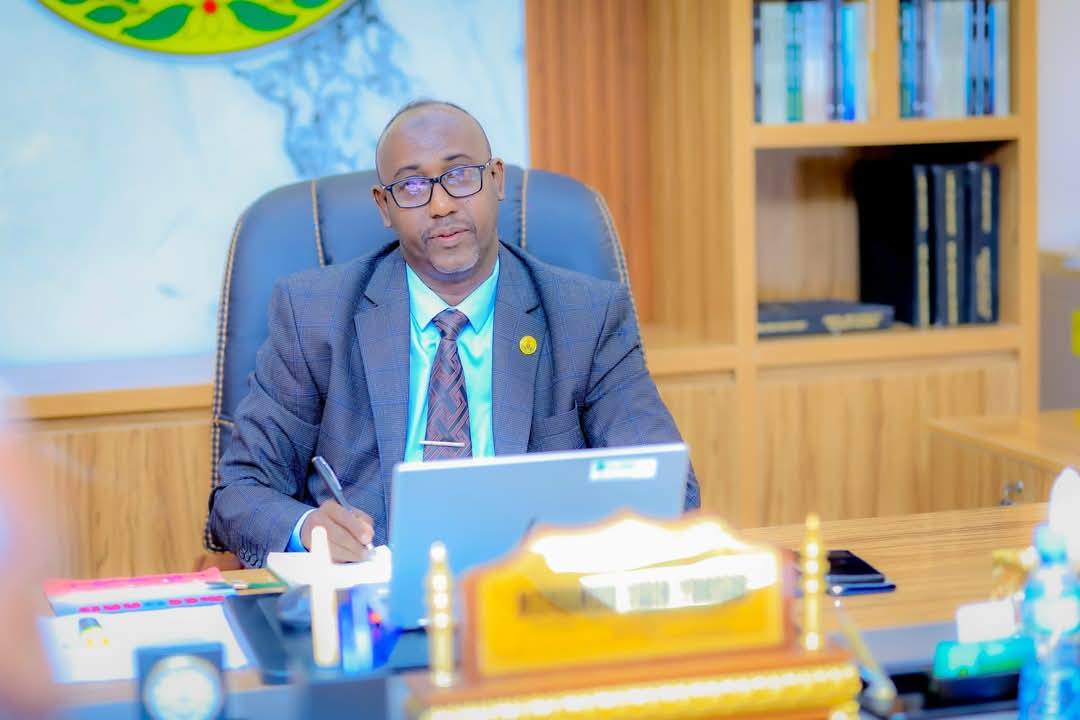
Hargeisa (WHB) – The Minister of Agricultural Development of the Republic of Somaliland, Hon. Mohamoud Egeh Yusuf, and the Deputy Minister of Agriculture, Mukhtar Haji Mohamud Farah, held a meeting with the leadership of the Food Systems Resilience Project (FSRP), which is funded by the World Bank.
Successful Conclusion
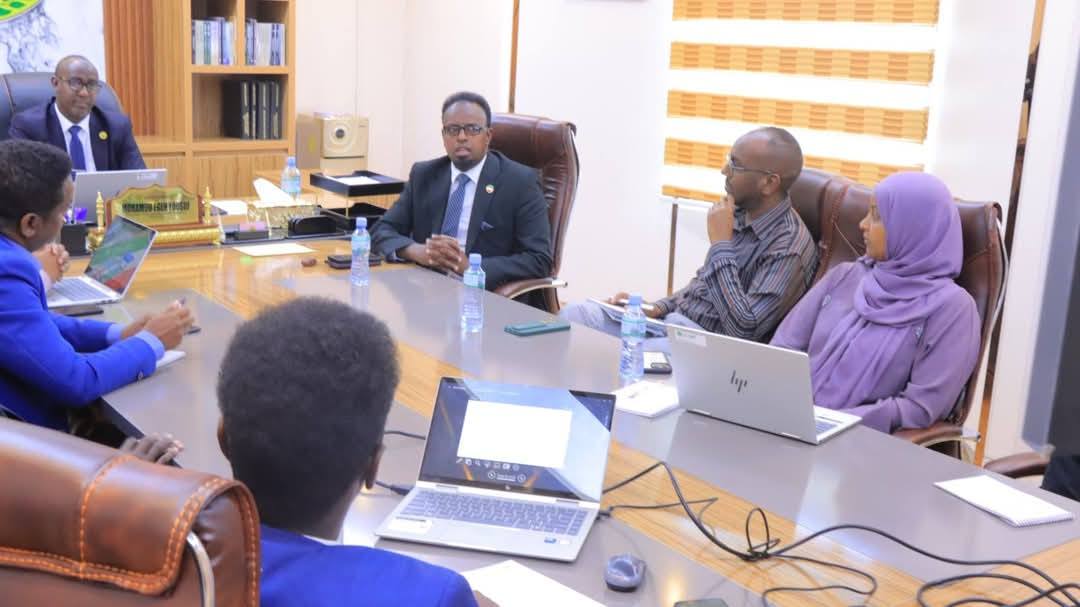
This meeting, part of the regular quarterly review sessions held between the Ministry of Agricultural Development’s senior officials and the Project Coordination Unit (PCU) of the Food Systems Resilience Project (FSRP), aimed to strengthen coordination and ensure effective project implementation. Discussions focused on identifying priority intervention areas, aligning activities with national agricultural priorities, and ensuring that project resources are directed toward the most impactful locations while avoiding duplication with other ongoing initiatives. The meeting concluded with a strong mutual understanding and reaffirmed commitment from both sides to advance the project’s objectives in a coordinated and results-oriented manner.
Community Engagement
The Somaliland Food Systems Resilience Project (FSRP) is excited to announce the launch of our comprehensive Community Engagement Initiative, designed to strengthen local participation and ownership in food security programs across all regions of Somaliland.
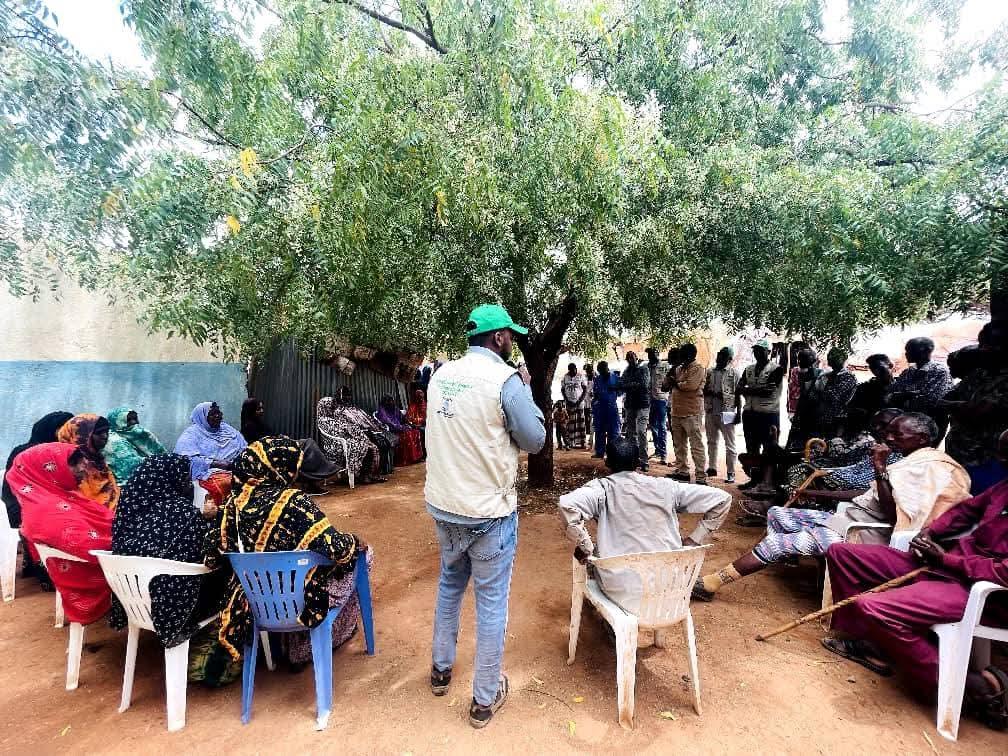
Summary of the Community Engagement Field MissionAs part of the implementation of the Somaliland Food Systems Resilience Project (SL-FSRP), the Project Coordination Unit (PCU) successfully conducted a comprehensive Community Engagement Mission across the target regions.The mission aimed to introduce the project to local communities, enhance awareness of its objectives, and establish community-level structures to support implementation and long-term sustainability.
Mission Scope and Duration
Over a three-month period, the mission was carried out in all approved project locations, with community engagement activities successfully completed in 24 sites across eight districts.Through these engagements, the project team—comprising representatives from the Ministry of Agriculture Development (MoAD), Ministry of Environment and Climate Change (MoECC), and Ministry of Livestock and Rural Development (MoLRD)—facilitated awareness sessions, explained the project's objectives and selection criteria, and promoted inclusive participation of women, youth, elders, and other vulnerable groups.
Community Structures and Capacity Building
These newly established community structures were oriented on their roles, signed Memoranda of Understanding (MoUs) with the project, and now serve as key partners in coordinating and monitoring project interventions.The approach emphasized building local capacity and ensuring community ownership from the outset, creating a sustainable foundation for long-term project success.
Collaboration
We have successfully cooperated with the Minister in lines