

About Somaliland FSRP
Learn about our mission, vision, and approach to building resilient food systems in Somaliland
Our Mission & Vision
Building a food-secure and resilient Somaliland through sustainable agricultural practices
Our Mission
To increase the resilience and productivity of Somaliland's food systems through targeted investments in research and extension, sustainable water and rangeland management, market development, and institutional strengthening—ensuring that smallholder farmers, pastoralists, and agribusinesses, particularly women and youth, are better equipped to adapt to climate shocks, access markets, and contribute to long-term food and livelihood security
Our Vision
To establish a resilient, inclusive, and climate-smart food system in Somaliland that sustainably supports national food security, economic growth, and livelihoods by strengthening the interlinkages between agricultural production, natural resource management, and market systems, while fostering institutional capacity and regional integration.

Project Implementation Approach
Our structured framework for effective project delivery
The Somaliland Food Systems Resilience Project (SL-FSRP) is being implemented through the existing two-tier structures established under the Biyoole and Barwaaqo Projects. The first tier operates at the Somaliland level, represented by the Ministry of Agriculture Development (MoAD) in close partnership with the Ministry of Livestock and Rural Development (MoLRD) and the Ministry of Environment and Climate Change (MoECC). A Project Coordination Unit (PCU) housed within the MoAD leads overall coordination and management of project activities, supported by core technical staff and specialists responsible for administration, financial management, procurement, M&E, communication, and safeguards.
The second tier functions at the community level, where beneficiaries implement community-led interventions through existing and newly formed institutions such as Common Interest Groups (CIGs), Farmer Producer Organizations (FPOs), and village development committees. To improve the functioning and delivery of these structures, the Project emphasizes enhanced coordination between ministries, strengthened community participation, and greater technical backstopping. Implementation follows a results-based and participatory approach, ensuring accountability, inclusiveness, and alignment with national systems and World Bank guidelines.
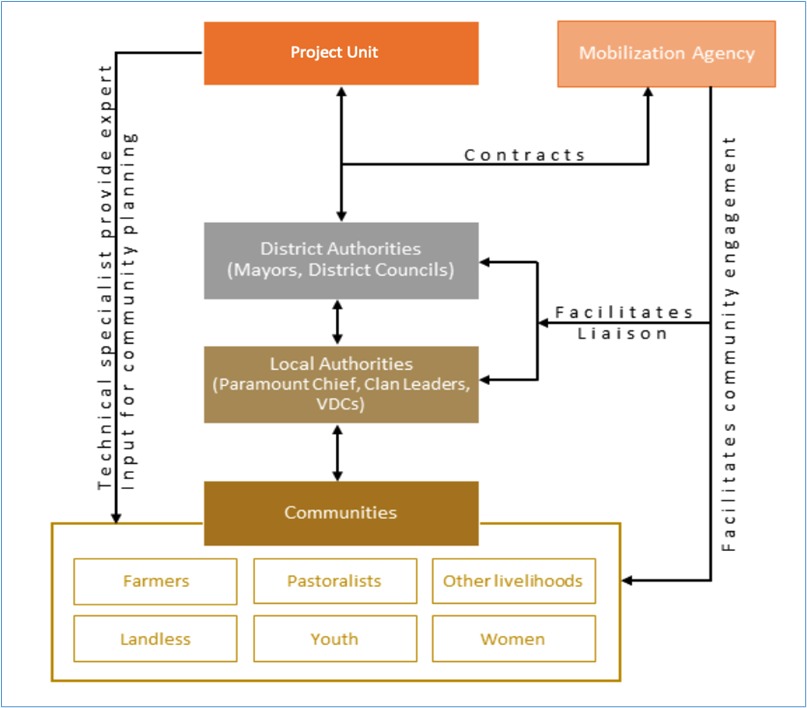
Core Project Coordination Unit
Meet the people driving our mission forward
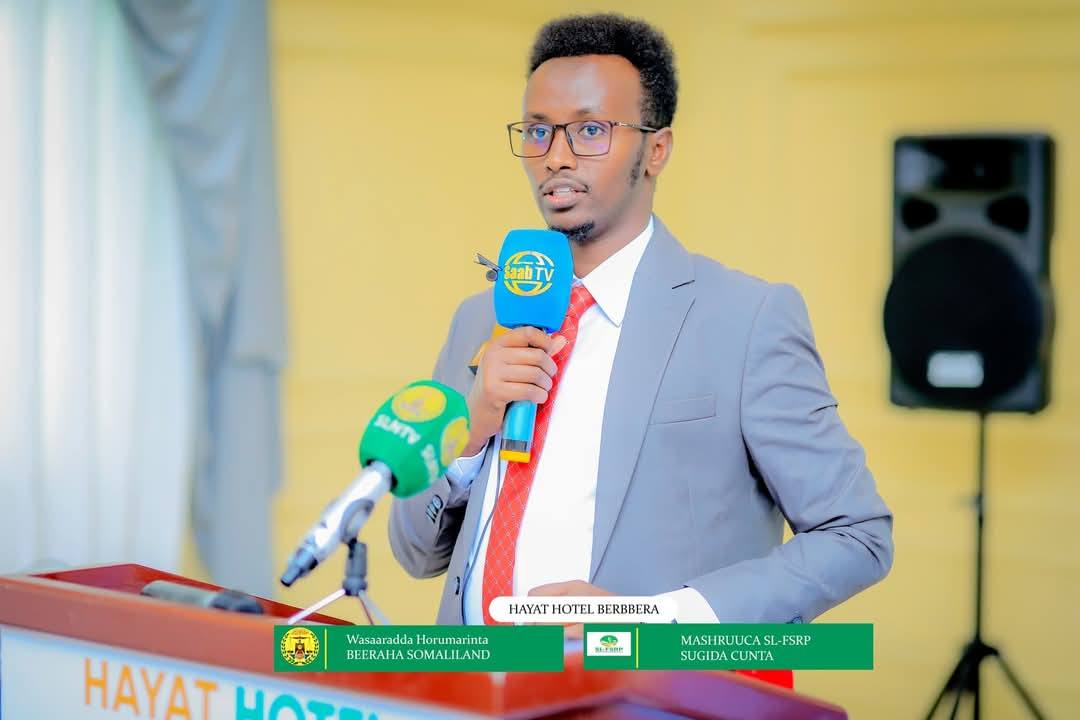
Kayse Ahmed Mohamed
Email: kayse.mohamed@sl-fsrp.org
Zamzam Mohamoud Ahmed
Email: zamzam.ahmed@sl-fsrp.org
Mohamed Bashir Abdi
Email: mohamed.abdi@sl-fsrp.org