

Hargeisa, Somaliland – November 25, 2025 – A pivotal three-day training on Community Investment Planning (CIP) for the Somaliland Food Systems Resilience Project (SL-FSRP) commenced on November 25th, with a high-level opening ceremony underscoring its critical role in the project's success. The event, set to conclude on November 27th, has gathered key project staff and stakeholders to equip them with the tools for effective community-led development.
High-Level Opening Ceremony
The opening session was graced by the Director General of the Ministry of Agricultural Development, who officially inaugurated the training. In his opening address, he emphasized the fundamental importance of such capacity-building initiatives for the nation's agricultural sector.
"This kind of training is not just beneficial; it is essential. The success of the SL-FSRP hinges on our ability to work hand-in-hand with communities, understanding their unique needs and empowering them to identify and drive their own development priorities. By investing in our people and our project teams through this training, we are investing in the sustainable future of Somaliland's food systems and the resilience of our rural communities."
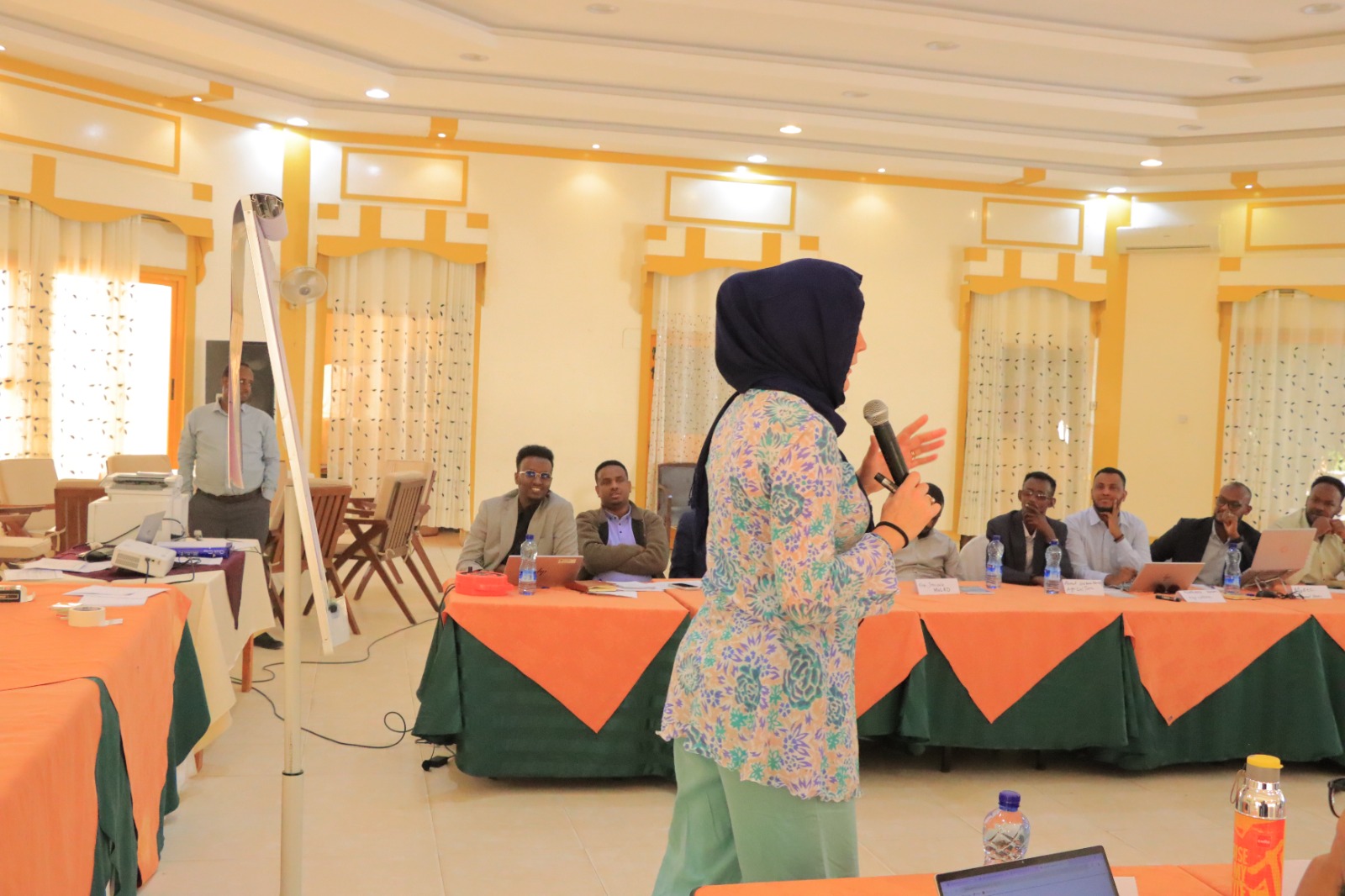
Project Coordinator's Perspective
Echoing the Director's sentiments, the SL-FSRP Project Coordinator outlined the direct link between the training and the project's overarching goals. The coordinator explained that the CIP process is a cornerstone of the project's community-driven development approach.
"The Community Investment Planning training is a vital mechanism for achieving the core objectives of the SL-FSRP. It provides our team with the structured methodology needed to facilitate inclusive planning processes at the village level. This ensures that the investments we make—whether in water infrastructure, climate-smart agriculture, or value-chain development—are precisely aligned with what the communities themselves have identified as their most pressing challenges and opportunities."
The coordinator further highlighted that this approach fosters a deep sense of local ownership and accountability, which are key ingredients for the long-term sustainability and success of any development intervention.
Training Objectives and Methodology
The intensive three-day workshop is designed to equip SL-FSRP staff with practical skills in:
- Participatory rural appraisal (PRA) tools
- Facilitation techniques
- Steps required to guide communities through creating actionable, prioritized investment plans
Training Session Highlights
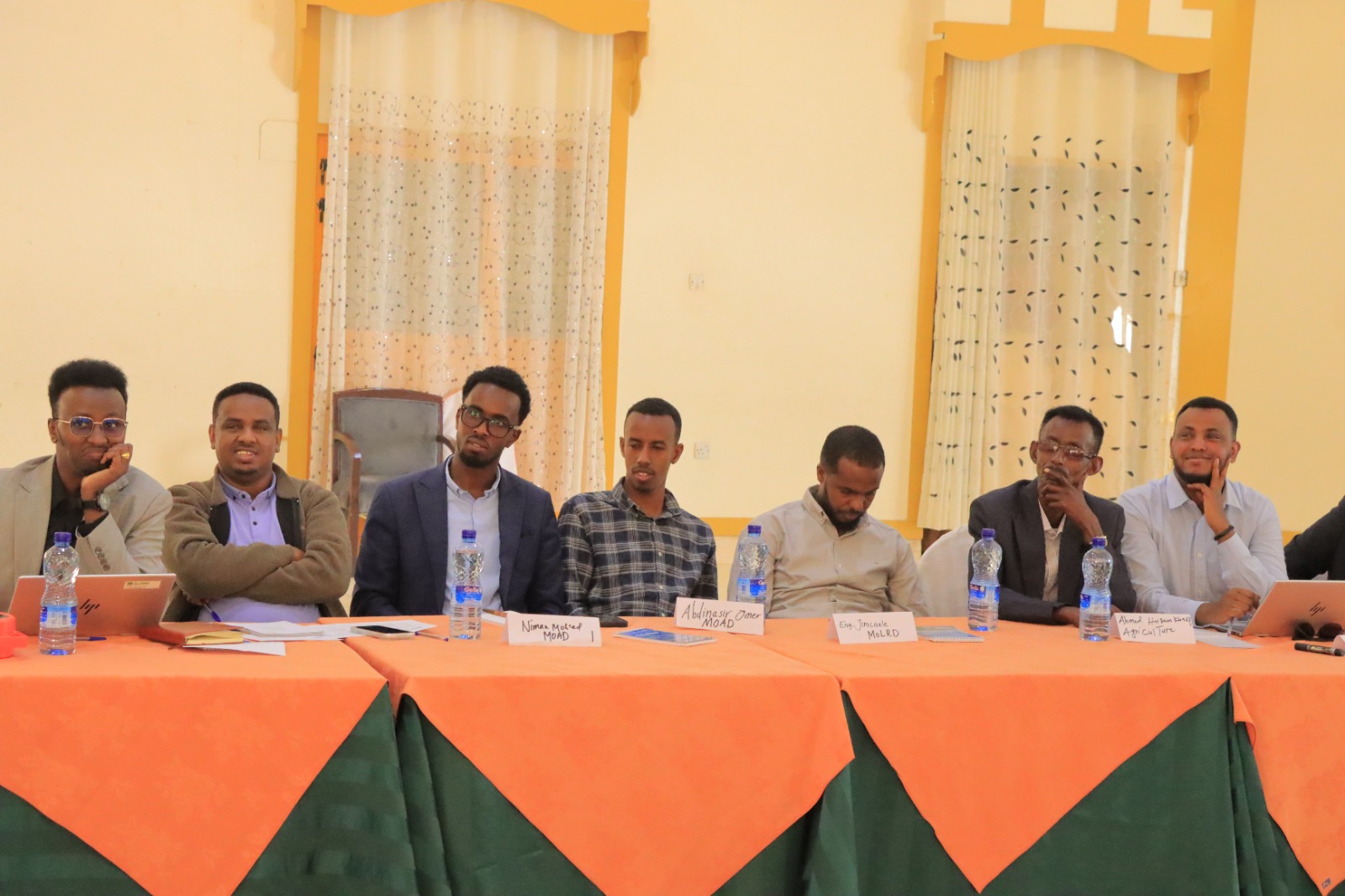
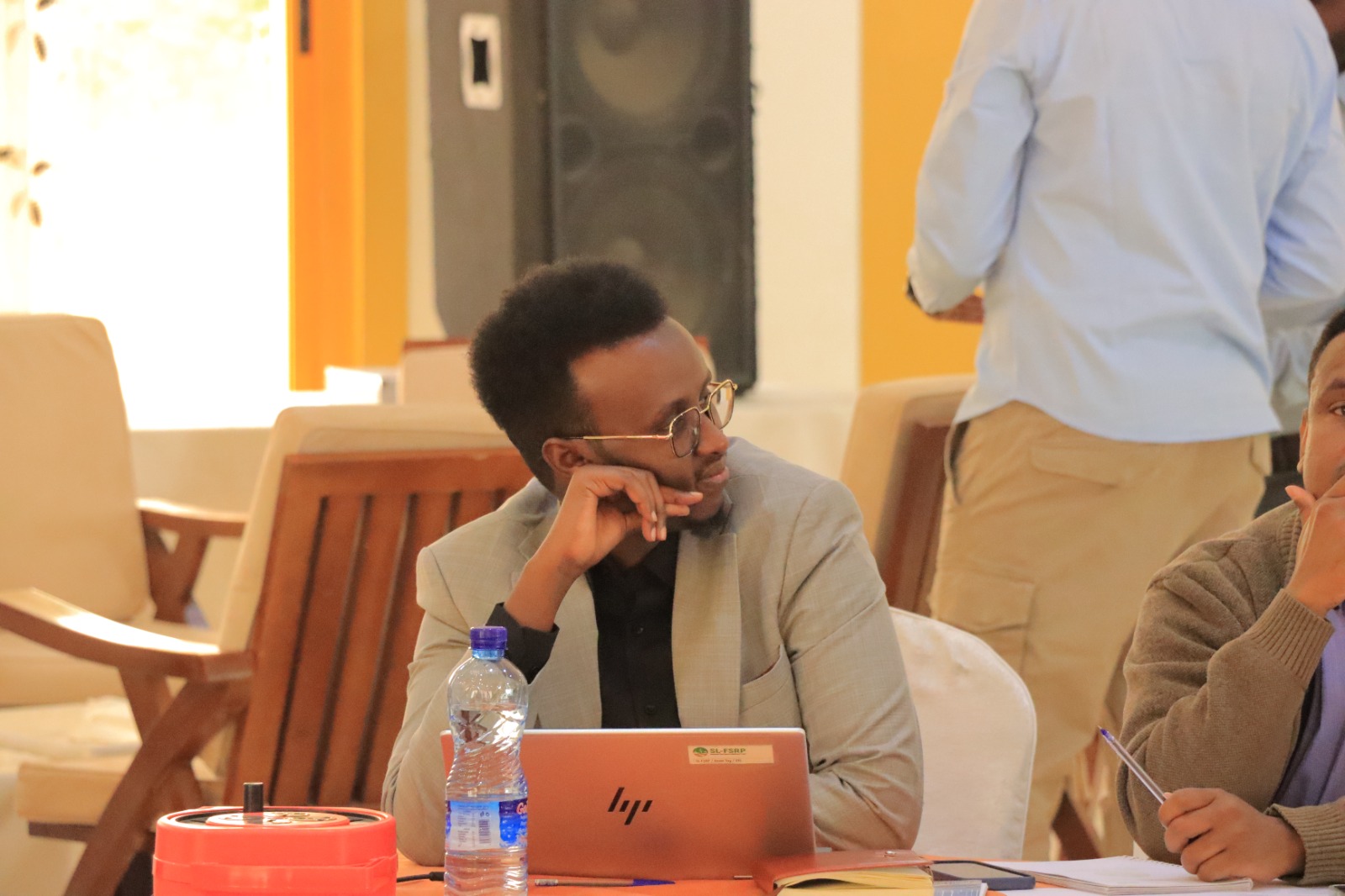
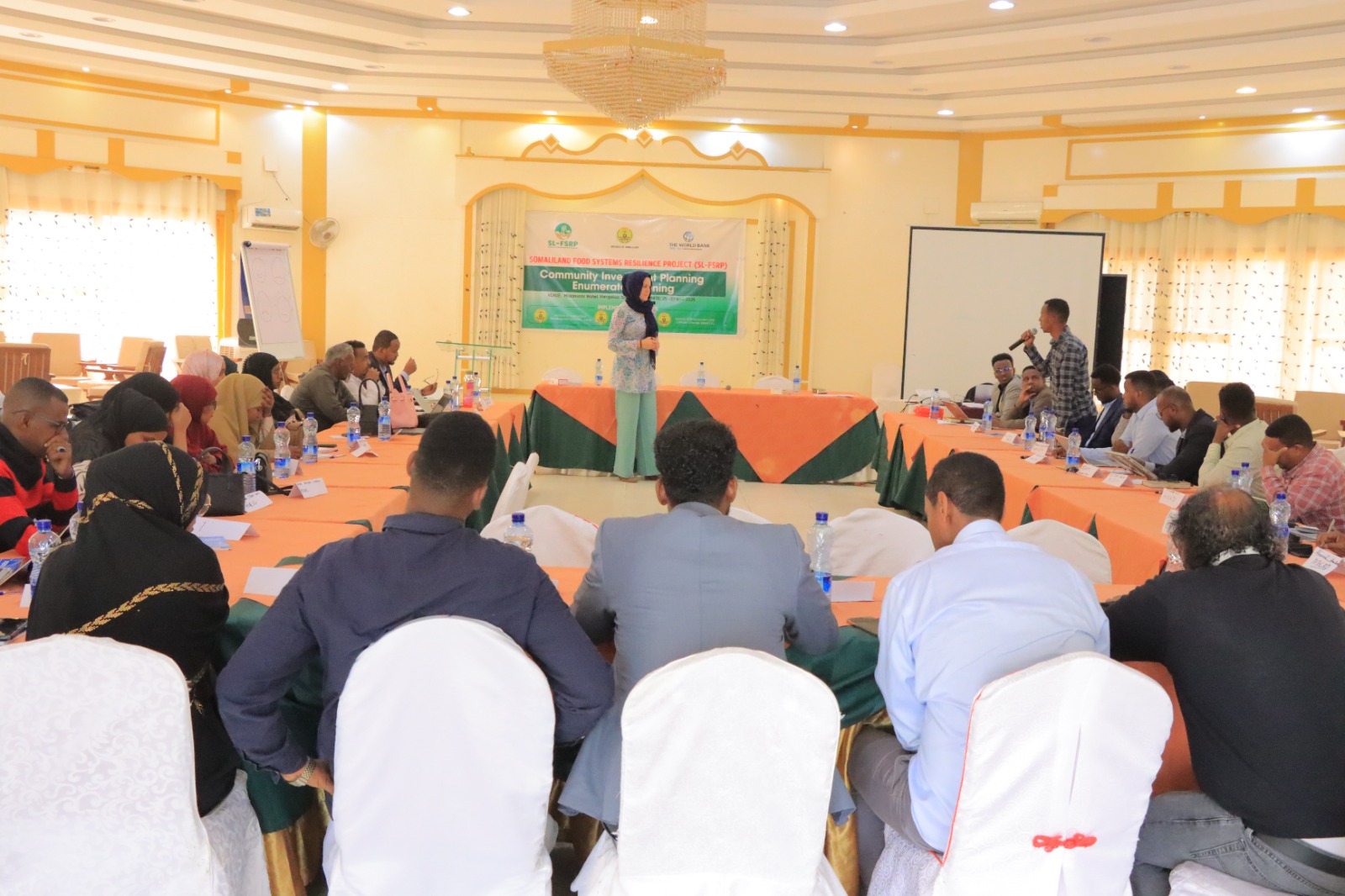

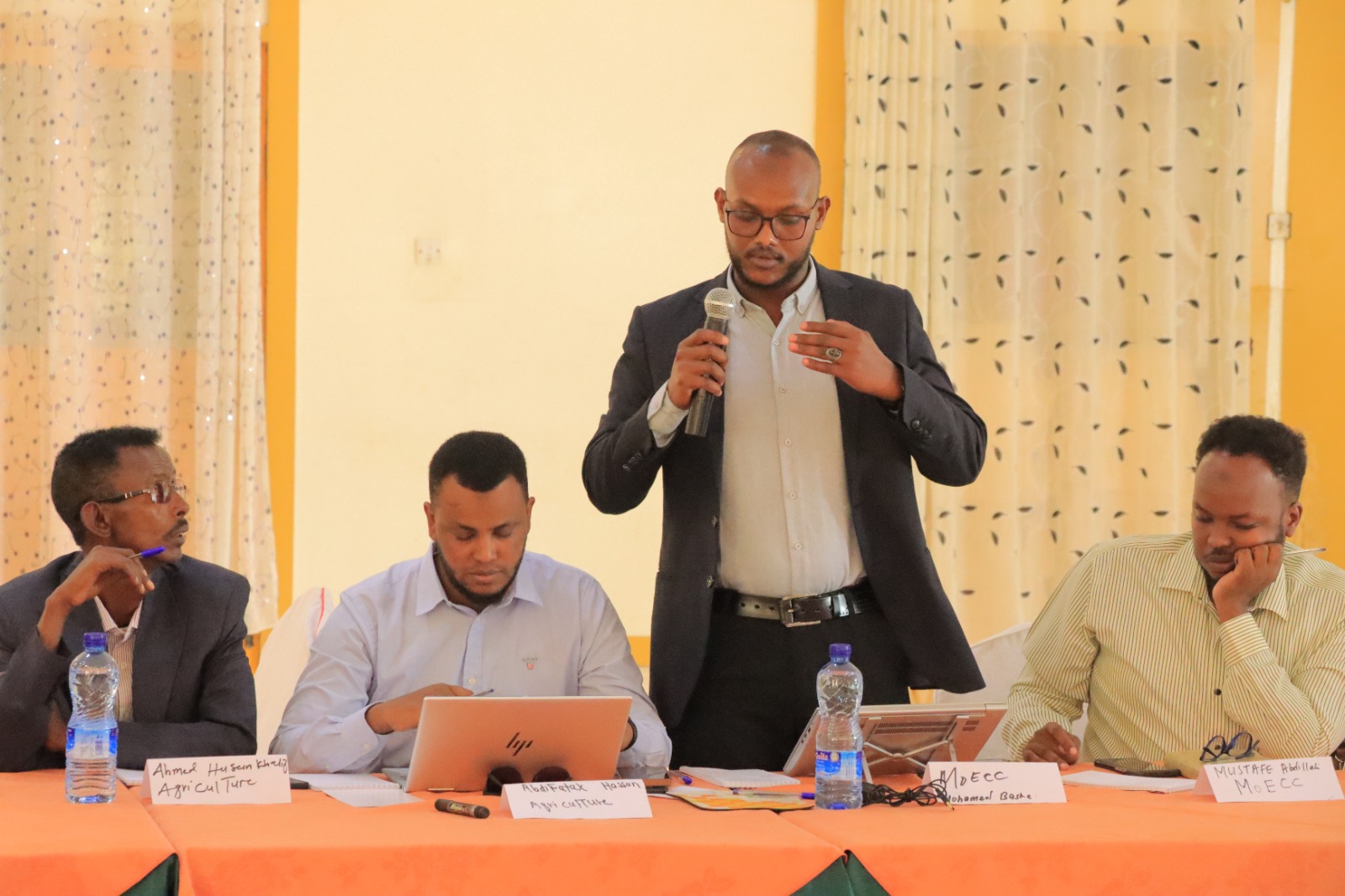
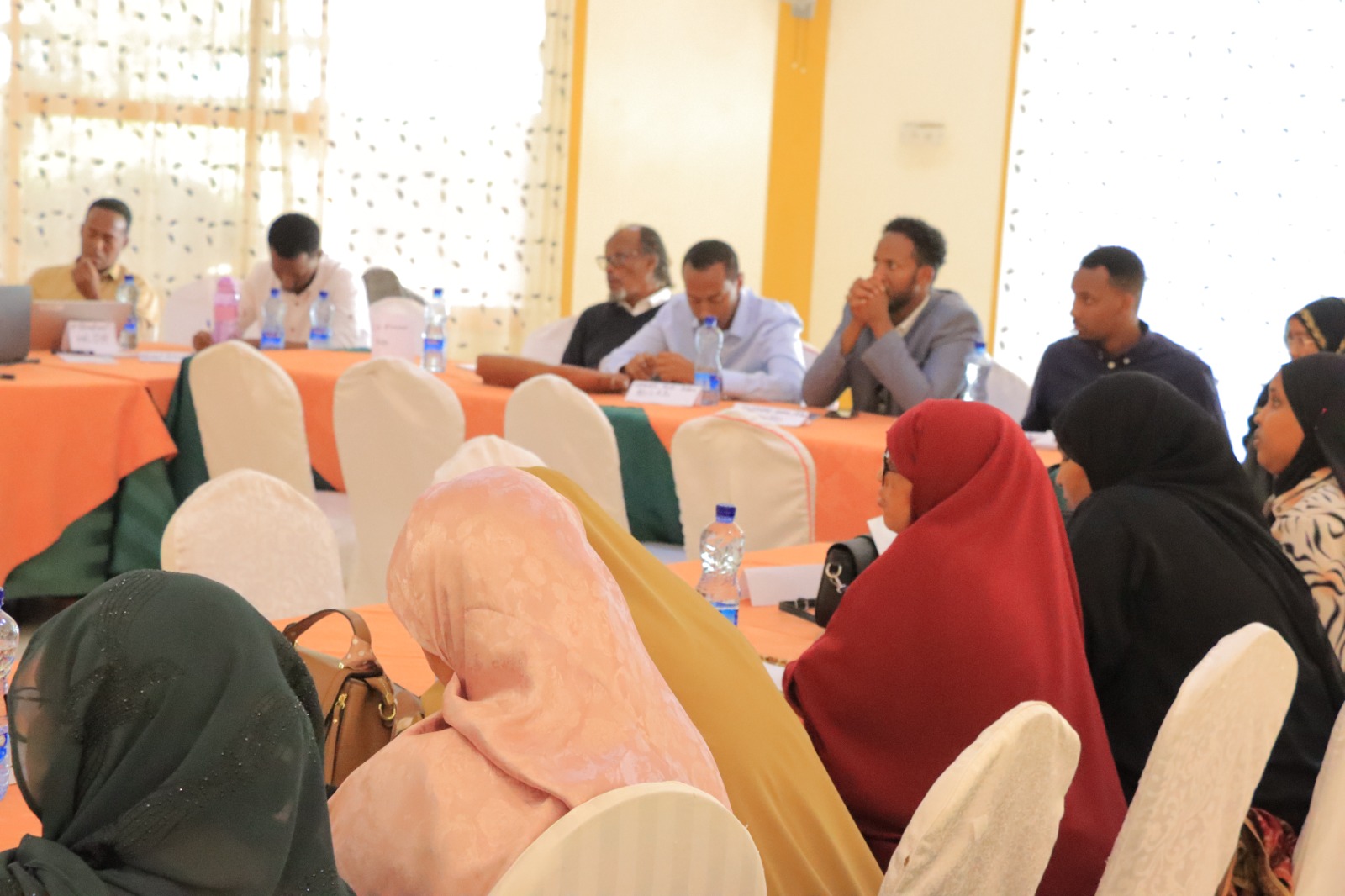
These community-developed plans will then form the basis for subsequent project funding and implementation.
About SL-FSRP
The SL-FSRP is a significant initiative aimed at increasing the resilience of food systems and improving livelihoods in Somaliland. The launch of this Community Investment Planning training marks a crucial step forward, signaling a strong commitment to a collaborative and bottom-up approach that places local communities at the very heart of their own development journey.